

Course - Senior
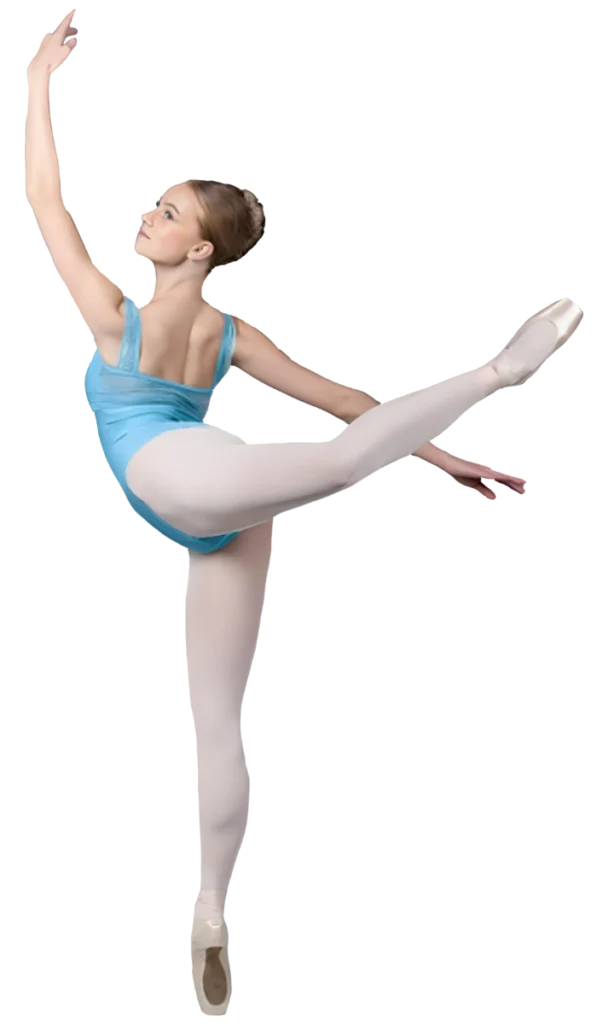
flexi-school ballet course
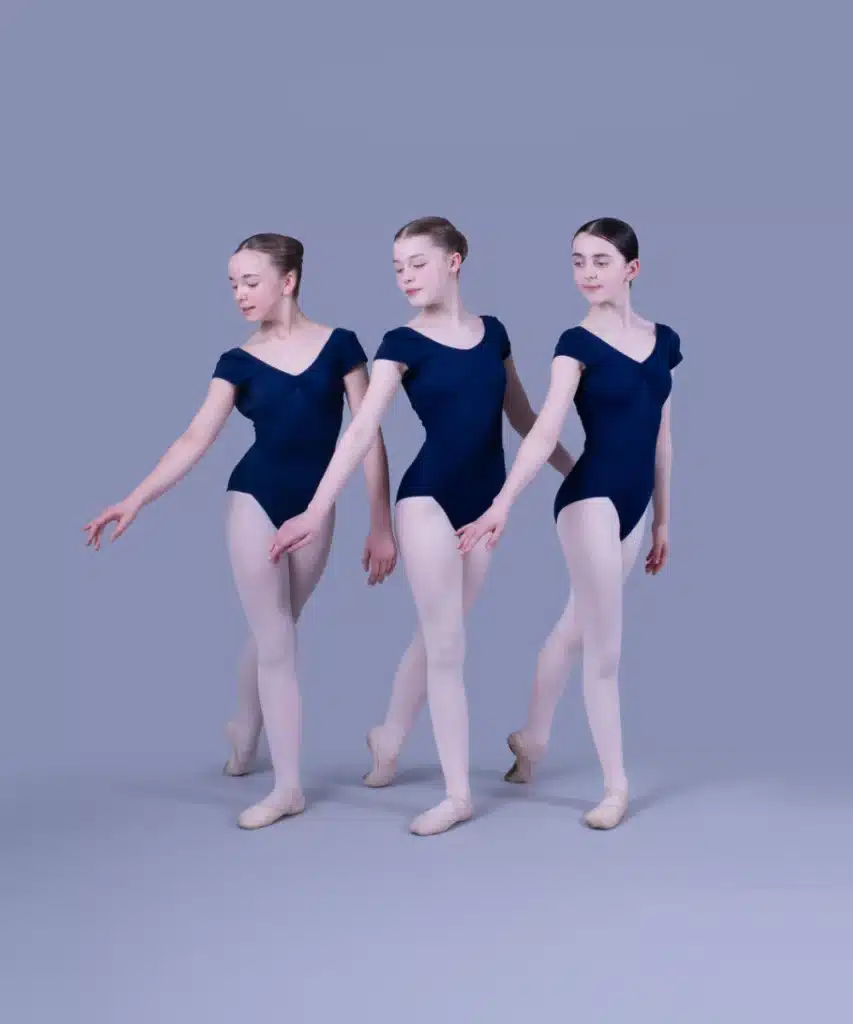
Our Elevate Senior Programme is designed for students aged 14+ who demonstrate a high level of potential, commitment, and aptitude for classical ballet, and who are preparing for more advanced vocational-level training.
The programme runs alongside a student’s mainstream education through a flexi-schooling model, with students attending one or two full training days per week. We actively support families in working with their school to establish a clear and manageable arrangement that allows students to balance academic studies alongside their vocational training.
At this stage, training becomes increasingly focused and intensive, with greater emphasis placed on technical refinement, strength, consistency, artistry, musicality, and performance quality. Students continue to build upon their technical foundations while developing the physical and artistic maturity required for advanced ballet training, auditions, and future vocational pathways.
The programme also includes increased focus on repertoire, pointe work, conditioning, injury prevention, and professional working practices, helping students prepare for the expectations of higher-level training environments.
The course is designed for dedicated students who are serious about their ballet development. As with our earlier programmes, it works alongside training at a student’s existing dance school, allowing them to continue exploring a wider range of dance genres whilst further refining and elevating their classical ballet technique with us.
We work closely with both families and schools to ensure students are supported holistically, enabling strong progression while maintaining a healthy and realistic balance between education, training, and personal wellbeing.
Students enrolled on the Elevate Senior Course may also attend the Excel Senior Course and the Enhancement Senior Course.
Elevate Course
Core Programme
The curriculum is thoughtfully designed to provide a well-rounded approach to training. Together, these elements encourage technical excellence, artistic growth, and a deeper understanding of ballet as both a discipline and a form of expression.
Students aged 16+ may also apply for the DDE Level 4 qualification.
Progressive training and strong technical foundations remain central to classical ballet training for students aged 14–18, as dancers move towards advanced vocational-level work and prepare for the increasing demands of auditions, performance, and professional training environments.
At this stage, students are expected to train with greater consistency, discipline, and technical understanding. A progressive approach ensures that advanced movements and higher training demands are introduced safely and correctly, allowing dancers to continue developing strength, coordination, stability, alignment, artistry, and control without compromising technique or physical wellbeing.
Fundamental principles such as posture, turnout, placement, coordination, core support, épaulement, and quality of movement continue to underpin all aspects of advanced ballet technique. As dancers progress into more demanding pirouettes, allegro, pointe work, adage, extensions, and repertoire, these technical foundations become essential for achieving consistency, precision, strength, and artistic freedom.
At this level, students are also encouraged to develop a deeper understanding of their individual strengths, technical habits, and physical needs. Training supports the development of resilience, self-discipline, professionalism, and independent working practices, helping dancers take increasing ownership of their progress and preparation.
Rather than pursuing rapid progression for appearance alone, the focus remains on developing secure, sustainable technique that will support long-term growth and the transition into advanced vocational and professional pathways.
Certainly, master. Here’s the text cleaned up with the unnecessary line breaks removed and formatting made consistent throughout:
Classical ballet repertoire plays a vital role in the training of students aged 14+, allowing dancers to refine their technical ability while developing the artistry, maturity, and performance quality required for higher-level vocational training.
At this stage, repertoire work becomes more demanding both technically and artistically. Students are expected to apply strong classical technique within complex choreography, developing greater control, stamina, coordination, musical sensitivity, and stylistic awareness. Through repertoire, dancers learn how technical precision supports artistic expression and professional presentation.
Training includes the study of classical variations, corps de ballet work, and ensemble repertoire, helping students understand different performance demands and develop versatility as performers. Students begin to explore interpretation, nuance, dynamics, and characterisation in greater depth, encouraging individuality and artistic maturity while remaining stylistically informed.
Working within ensemble settings also strengthens professional rehearsal skills, including spatial awareness, timing, adaptability, discipline, and collaboration. Students learn to take greater responsibility for their preparation and performance standards, helping bridge the gap between pre-vocational and advanced vocational/professional-level expectations.
Repertoire study also deepens students’ understanding of ballet history, tradition, and theatrical context. Dancers explore the stylistic qualities of major classical works and gain insight into how choreography, music, costume, staging, and dramatic intention combine to create performance.
Performance opportunities and repertoire training help prepare students for auditions, vocational pathways, and future professional environments, while continuing to develop confidence, creativity, and a strong connection to the artistic foundations of classical ballet.
Elevate Students may also add to their core programme by also registering on the Enhancement Course and the Excel course. There is also the option to Top-up their training by adding a graded examination class or private tuition.
We are committed to supporting families in balancing academic and artistic education:
- The studio is open from 8:30 AM to late on training days
- Parents have flexibility to drop-off early and pick-up late
A quiet, study space is available for students to:
- Complete schoolwork
- Attend online lessons or private tuition arranged by parents
- Read, revise, or rest during breaks
FLEXI-SCHOOLING INFORMATION
In the UK, flexi-schooling refers to an arrangement where a child is registered at a mainstream school but attends only part-time, with the remainder of their education taking place outside of school—often at home or in specialist training programmes such as sports or performing arts.
HOW FLEXI-SCHOOLING WORKS
1. Definition:
The child remains registered at their mainstream school but is educated off-site for part of the week. It is distinct from elective home education, as the child remains on roll at the school.
2. Parental Request:
Flexi-schooling is not a legal right and requires the headteacher’s permission. Each school has discretion to decide whether to allow it.
3. School Approval:
If agreed, a formal arrangement is made between the school and the parent. The Local Authority does not need to approve the arrangement but remains responsible for ensuring suitable education overall.
4. Attendance:
Absences are recorded as authorised in line with the school’s attendance policy.
ELIGIBILITY – ELITE ATHLETES & DANCERS
Flexi-schooling is often considered for young athletes or dancers when:
Training requires regular release from school hours.
The programme offers structured, high-quality, supervised training.
Academic education remains supported and balanced.
IMPORTANT NOTES
Headteachers have full discretion to approve or decline requests.
There is no formal right of appeal, though decisions may be discussed further with the school.
A clear and well-structured proposal supports successful applications.
WHAT PARENTS NEED TO DO
1. Initiate the Request:
Write to the headteacher outlining the request and proposed schedule:
Monday–Tuesday release for ages 14+ (Years 10–13).
2. Provide an Educational Plan:
Demonstrate how academic progress will be maintained, including:
Completion of schoolwork.
Independent study or tutoring.
Ongoing communication with school.
3. Submit Supporting Documents:
Programme information.
Weekly timetable.
Safeguarding and welfare details.
4. Formal Agreement:
If approved, this will outline:
Days in and out of school.
Responsibilities.
Review process (termly or annual).
5. Ongoing Communication:
Parents must maintain regular contact and ensure academic progress is sustained.
EXAMPLE ARRANGEMENT
A Year 10 pupil attends school Wednesday, Thursday, and Friday and a vocational ballet programme on Monday and Tuesday. Academic support is maintained through independent study, completion of school-set work, and ongoing communication between parents, the school, and the training provider.
- All staff are enhanced DBS checked
- Trained in first aid and safeguarding
- Emphasis on respectful communication, healthy body image, and injury prevention
- Environment nurtures confidence, self-discipline, and well-being
CLASSICAL BALLET DEVELOPMENT
Course Structure
The Elevate Course runs: 30 weeks per year (3 terms of 10 weeks each)
Training
Days
For older students, these var,y and individual training plans are created
Weekly
Hours
Students of all ages will receive ballet training for 4 hours a week.
Optional
Extras
Private tuition/ISTD Syllabus work/The Enhancement and Excel Courses /Holiday courses and workshops.
CLASSICAL BALLET DEVELOPMENT
Our Courses
Elite
Full Time Vocational Training
Enhancement
Associate
Course
Elevate
Flexi-School Course

Enrichment
Workshops &
Holiday Courses
Elite
Full Time
Vocational Training
Elevate
Pre-vocational Flexi-School course
Enhancement
Associate
Course
Enrichment
Summer Courses